
San Francisco Traffic Tickets
San Francisco County handles traffic citations through the Superior Court of California, County of San Francisco. Traffic tickets issued anywhere in the city go to this court system. The city and county share the same boundaries, which means all traffic violations fall under one unified court jurisdiction. You can search for citation details online, pay fines through web portals, or request court hearings to contest tickets. The SF Superior Court maintains digital records and offers multiple ways to resolve traffic cases. Most drivers handle tickets without ever stepping into a courtroom. Online tools let you check case status using your citation number or license plate information.
SF County Traffic Ticket Quick Facts
SF Superior Court Traffic
The San Francisco Superior Court Traffic Division processes all moving violations and traffic infractions for the county. Officers from the San Francisco Police Department, California Highway Patrol, and other law enforcement agencies issue tickets that get filed with this court. Once a citation enters the system, it becomes part of the official court record. You receive a courtesy notice in the mail explaining your options and the bail amount. This notice arrives within a few weeks after the officer writes the ticket.
San Francisco operates as both a city and a county. This unique structure means there is only one court system handling all traffic matters. You do not need to figure out which courthouse has jurisdiction because the SF Superior Court handles everything. The Traffic Division maintains offices at the Hall of Justice and other locations throughout the city. Most services are available online now. You can handle many tasks without going to a physical courthouse during business hours.
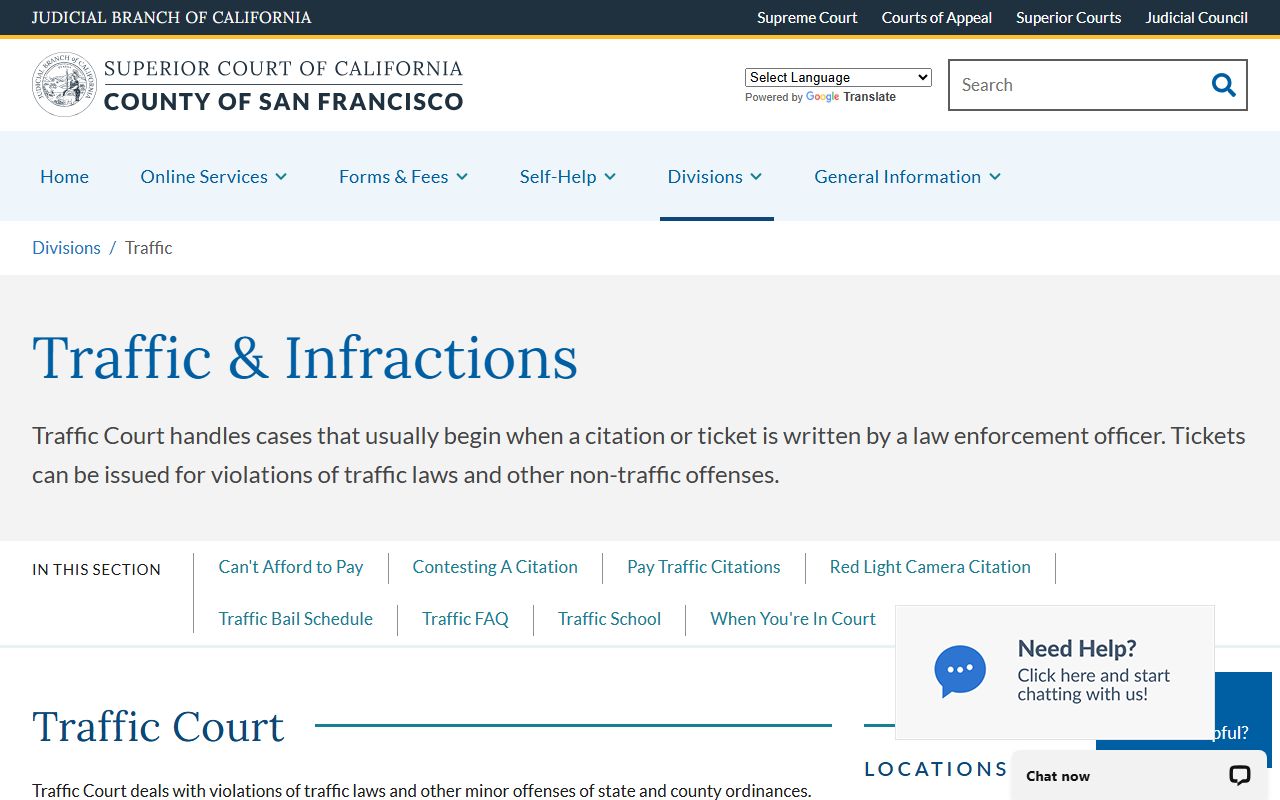
The SF Superior Court provides comprehensive traffic case services through their dedicated traffic division website. Access court information, learn about your options, and find resources for handling citations at sf.courts.ca.gov traffic division to view official guidance from San Francisco County's traffic court system.
Traffic violations in SF get classified as infractions in most cases. These are not crimes. They result in fines and possibly points on your DMV record. Some serious violations become misdemeanors. Those require different procedures and often need a lawyer. Regular speeding tickets, red light violations, and similar infractions can be resolved through the standard traffic court process without legal representation.
Look Up Traffic Citations Online
San Francisco County allows you to search for traffic citations using online tools. The court system connects to statewide databases that store citation information. You can look up your case by entering the citation number from your ticket. Some portals also let you search by license plate or driver license number. Results show the violation code, bail amount, and due date for your response.
Wait about two weeks after getting a ticket before searching online. The officer gives you the citation at the scene, but court staff need time to enter it into the computer system. Searching too soon may return no results even though your ticket is valid. After the processing period, the case appears in the database. You can then see all details and available options for resolving the traffic citation in San Francisco.
The online payment portal at ncourt.com San Francisco payments lets you pay traffic fines using a credit card or bank account. Entering your citation number brings up the case. The system shows the total amount due including any additional fees. You can pay immediately and receive confirmation. This process works day or night without calling the court or mailing a check.
Paying your ticket online means you give up the right to contest it. The court treats payment as a guilty plea. The conviction goes on your DMV record. Points may be added to your license. Insurance companies might raise your rates. Think carefully about your options before submitting payment through any portal for a San Francisco County traffic ticket.
How to Pay SF Traffic Tickets
Several payment methods work for San Francisco traffic citations. Pay online through the court website or authorized payment portals. Mail a check or money order to the address on your courtesy notice. Visit the court clerk window during business hours to pay in person. Phone payment options may be available through automated systems that accept credit card information any time of day or night.
Each payment method has different processing times. Online payments post immediately. The court updates your record within one business day in most cases. Mail payments take longer. Allow at least a week for delivery and processing. In-person payments get recorded the same day. Keep your receipt as proof of payment no matter which method you choose for your San Francisco County traffic fine.
If you cannot pay the full amount by the due date, contact the court before the deadline passes. San Francisco may offer extensions or payment plans. Some drivers qualify for fine reductions based on income. You need to apply and provide documentation. Acting before the due date helps you avoid civil assessment fees and other penalties that get added when you fail to respond to a traffic citation on time.
Missing the payment deadline causes serious problems. The court adds a $100 civil assessment fee to your balance. They may issue a failure to appear charge. Your license could get suspended. The DMV will not renew your vehicle registration if you have unpaid tickets. Address citations promptly to avoid these consequences in San Francisco County.
Traffic School in San Francisco
Traffic school offers a way to keep a point off your insurance record. You still pay the fine and a traffic school fee. Then you complete an approved course. The DMV still sees the conviction but the point gets masked from insurance companies. This keeps your insurance rates from going up for the next three years.
Not everyone qualifies for traffic school. You must have a valid license. The violation must be eligible under California law. You cannot have attended traffic school for another ticket in the past 18 months. The court determines if you meet the requirements. If approved, you pick a school from the approved provider list and complete the course by the deadline set by the San Francisco court.
Traffic school courses can be taken online or in person. Online courses let you work at your own pace. Most people finish in a few hours. In-person classes require you to sit through a set schedule. Both types cover California traffic laws and safe driving practices. The school reports your completion to the court automatically. Verify that the court received your completion certificate before considering the case closed.
Fight Traffic Tickets in SF County
You have the right to contest any traffic citation. Request a trial if you believe the ticket is wrong or the officer made a mistake. San Francisco offers two trial types: court trial or trial by written declaration. Court trials require you to appear in person on a scheduled date. Written declaration trials let you submit your case on paper without going to the courthouse.
Written declarations work well for busy people. You fill out forms explaining why you are not guilty. The officer submits their version of events. A judge reviews both statements and makes a decision based on the documents. If you lose, you can still request an in-person trial. This gives you two chances to fight the ticket through the San Francisco County traffic court system.
Some tickets can be dismissed with proof of correction. These are fix-it citations for issues like broken lights or expired registration. Get the problem fixed, have it verified by law enforcement or an authorized person, then submit proof to the court. You pay a small fee instead of the full fine. The conviction does not appear on your DMV record as long as you complete the correction process properly in San Francisco.
Hiring a lawyer is not required for traffic tickets. Many people represent themselves successfully. The court provides forms and instructions. California Courts runs a self-help website with guides. For complex cases or license suspension threats, legal help might be worth it. The San Francisco Bar Association offers lawyer referral services for traffic matters.
Traffic Tickets and DMV Records
When San Francisco County court finalizes your case, the result gets sent to the California DMV. The DMV adds the conviction to your driving record. Most traffic violations stay on your record for three years from the conviction date. DUI and other serious offenses remain for ten years. These records affect your insurance rates and driving privileges.
The DMV uses a point system. One point gets added for most basic violations like speeding. Two points go on for serious infractions or at-fault accidents. Too many points within a certain time period can lead to license suspension. The DMV sends warning letters as you accumulate points. Taking defensive driving courses or staying violation-free helps reduce points over time.
You can check your own California driving record online. The DMV charges two dollars for online requests. You need to create an account to access your information securely. The record shows all convictions, accidents, and current point total. This is the same record that insurance companies and employers see when they run a check on your license.
Traffic school masks one point from insurance companies but the DMV still sees it. Your insurance company cannot see that specific conviction when they check your record. This prevents rate increases. The protection lasts for three years from the violation date. Completing traffic school for a San Francisco ticket can save hundreds of dollars in insurance premiums even though you still pay the fine and school fee.
San Francisco Traffic Citations
San Francisco serves as both a city and county. Traffic tickets issued anywhere within city limits go to the San Francisco Superior Court. The San Francisco Police Department issues most citations. California Highway Patrol writes tickets on freeways and state routes. The Municipal Transportation Agency handles parking violations separately from moving violations.
The city has unique traffic enforcement due to dense population and limited parking. Red light cameras operate at some intersections. Speed cameras may be used in certain zones. Photo enforcement tickets get mailed to the registered owner. You can contest these citations just like regular tickets. The process is similar but the evidence includes images from the enforcement cameras.
For more information specific to San Francisco city resources, visit San Francisco traffic tickets to learn about local citation procedures, SFPD services, and city-specific traffic enforcement programs.
California Traffic Laws
Traffic citations in San Francisco County are based on the California Vehicle Code. This state law defines all moving violations and sets the penalties. The court uses these code sections when processing tickets. Common violations include speeding, running red lights, illegal turns, and following too close. Each violation has a specific code number that appears on your citation.
California law also governs court procedures. The Vehicle Code and other statutes set the rules for traffic trials, traffic school eligibility, and DMV reporting. These laws apply statewide. San Francisco courts follow the same basic procedures as other California counties. Local rules may affect specific courthouse operations but the legal framework comes from state law.
The California DMV maintains driver records for everyone with a California license. When you get a ticket in San Francisco, the court conviction gets reported to the DMV in Sacramento. The DMV adds it to your permanent record. This record follows you even if you move to another county or state. Future tickets and insurance companies will see your San Francisco conviction on your California driving record.
Nearby Counties
If you got a ticket near the county border, verify which court has jurisdiction. Each county operates its own traffic court system. A citation issued in San Mateo County uses different procedures than San Francisco. Check the paperwork to see which court is listed. Counties near San Francisco include: