
Search California Traffic Tickets
Traffic ticket records in California are kept by the Superior Court in each of the 58 counties. When you get a traffic citation in California, the officer files it with the court that has authority over that area. You can search for traffic tickets online through county court websites, pay fines, request extensions, or contest citations. The California DMV also keeps a driver record that shows traffic convictions, points, and license status for anyone with a California driver license.
California Traffic Ticket Records Quick Facts
Where to Find Traffic Ticket Records
Traffic tickets in California go through the Superior Court system. Each county runs its own traffic division. The court where your ticket was issued holds the case file. Most counties now let you look up tickets online. Some use the MyCitations portal that works across many California courts. Others have custom systems built just for that county.
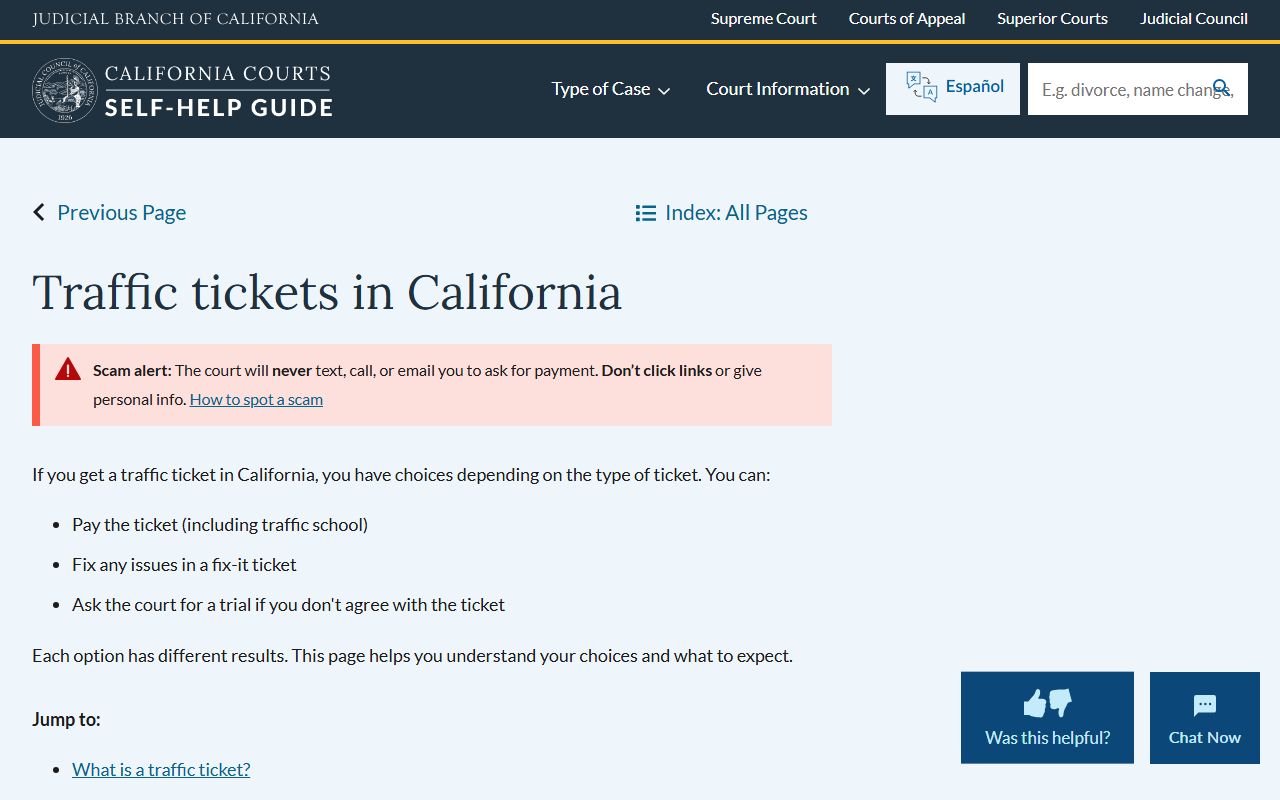
The California courts self-help website provides detailed guidance on handling traffic citations throughout the state. You can learn about your options after getting a ticket, understand the consequences of different choices, and find links to local court resources. Visit selfhelp.courts.ca.gov/traffic to access traffic citation help for California residents.
After the court processes your citation, the conviction shows up on your DMV driving record. The DMV keeps track of all traffic violations. You can get your own driver record online for just two dollars. It shows every ticket and crash for the past three to ten years based on the type of offense. Insurance firms use this record to set your rates.
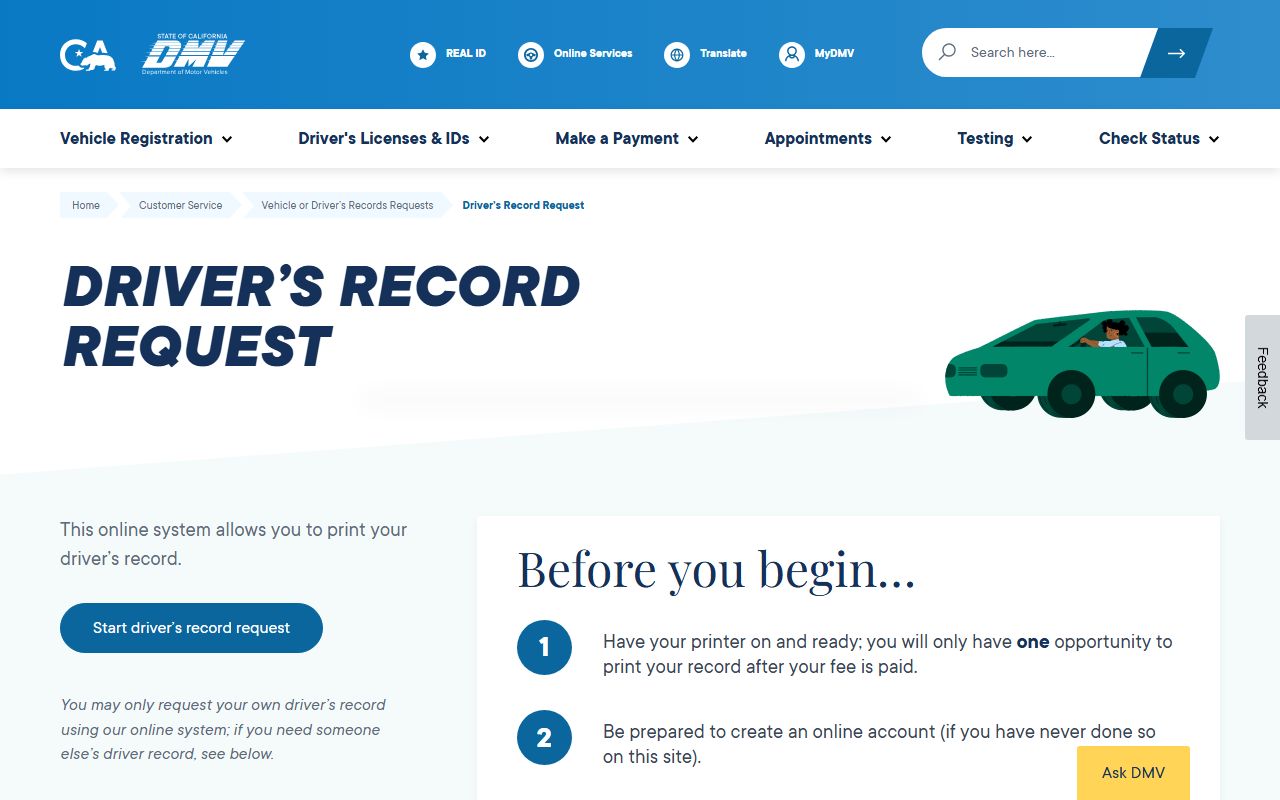
The California Department of Motor Vehicles maintains an online portal where drivers can request their official driving record within minutes. The system requires you to create a secure account to protect your personal information. Online requests cost $2.00 while mail requests cost $5.00. Access the DMV driver record request system at dmv.ca.gov driver records to get your California driving history.
The DMV record and court record serve different needs. Court records show case details, bail amounts, and payment status. DMV records show what stuck after the case closed. Both are useful when you need a full view of your traffic history in California.
How to Search for Traffic Tickets
Most California counties offer online ticket lookup. The process varies by county but usually works the same way. You need your citation number from the ticket itself. Some courts also let you search by driver license number or last name. Type in your info and the system pulls up your case.
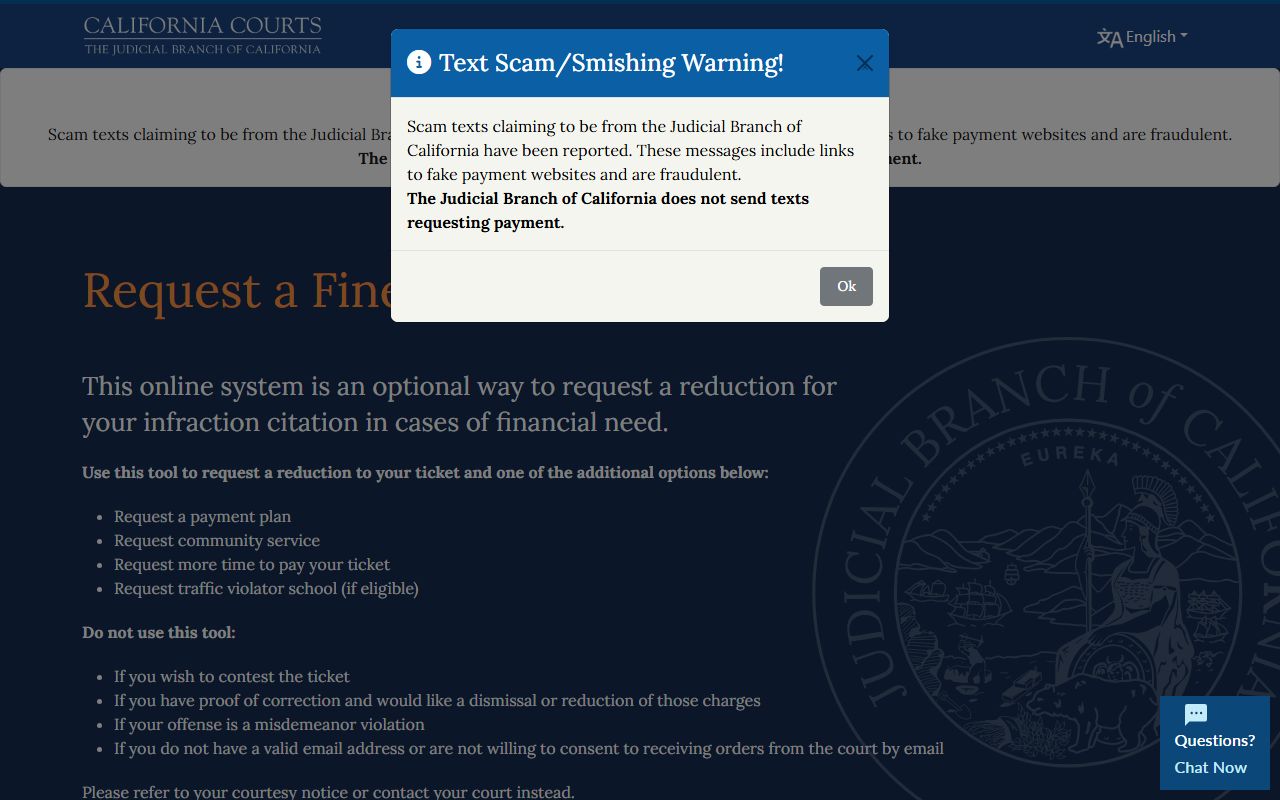
The statewide MyCitations portal serves multiple California Superior Courts and provides a centralized way to handle traffic citations online. Through this system you can view your citation details, pay fines, request fine reductions, and submit trial by written declaration in participating jurisdictions. Check if your county participates at mycitations.courts.ca.gov to resolve your traffic ticket electronically.
Each county court website has its own search tool if they do not use MyCitations. Los Angeles County uses a citation search portal at lacourt.ca.gov. San Diego County runs an Odyssey portal for case lookup. Orange County has a My Court Portal system. Sacramento, Riverside, and other large counties each built their own platforms for traffic ticket searches across California.
If the citation is brand new, wait about two weeks. Courts need time to enter tickets into their database. Trying to search too soon gives you no results even though the ticket is real. After two weeks most citations show up in the system and you can see your options for how to handle it in California.
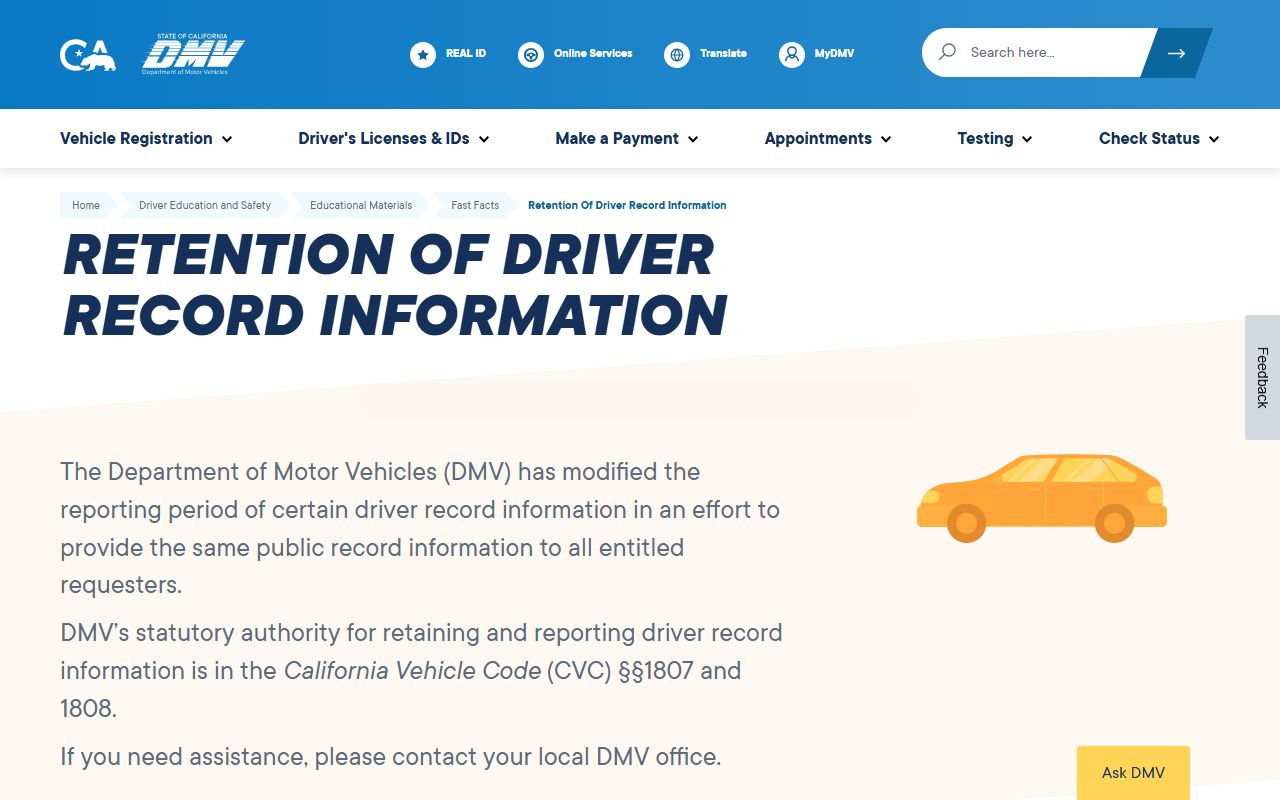
The California DMV provides comprehensive information about how long different violations stay on your driving record and when they get reported. Understanding these retention periods helps you know what will appear on background checks and insurance reviews. Learn more about record retention rules at dmv.ca.gov retention information for California traffic violations.
Some people prefer to call or visit in person. That works too. Call the court phone number printed on your ticket. Staff can look up your case and tell you the bail amount. In-person visits at the courthouse let you talk to a clerk face to face. Bring your ticket and ID when you go to any California traffic court.
Options After Getting a Ticket in California
You have choices when you get a traffic citation. Pay the bail and the case closes. This counts as a guilty plea. The violation goes on your DMV record. Points may get added to your license based on the offense type.
Another option is to request traffic school. If you qualify, the court hides the point from your insurance company. You still pay the fine plus a traffic school fee. The fee ranges from about fifty dollars to over eighty dollars depending on which California county issued your ticket. You must finish the school by the deadline or face extra penalties.
You can contest the ticket instead of just paying it. Request a trial in writing or ask for a court date. At trial you present your side. The officer may or may not show up. If the officer does not come, the judge often dismisses the case. Trials take more time but give you a chance to fight the charge in California traffic court.
Doing nothing is the worst choice. The court adds a civil assessment fee of one hundred dollars or more. They may report a failure to appear charge. Your license can get suspended. Collection agencies might get involved. It costs way more than if you had just dealt with the ticket right away in California.
California DMV Driver Records
Your California driving record lives at the DMV. It tracks every conviction that came from a traffic court. Crashes also show up if a police report was filed. The DMV uses this info to manage your license status and point total.
Getting your own record is easy and cheap online. Log into the DMV portal and pay two bucks. The system makes you set up an account first. This keeps your data safe. Once you pay, you can print the record right away. Mail requests take longer and cost five dollars instead of two in California.
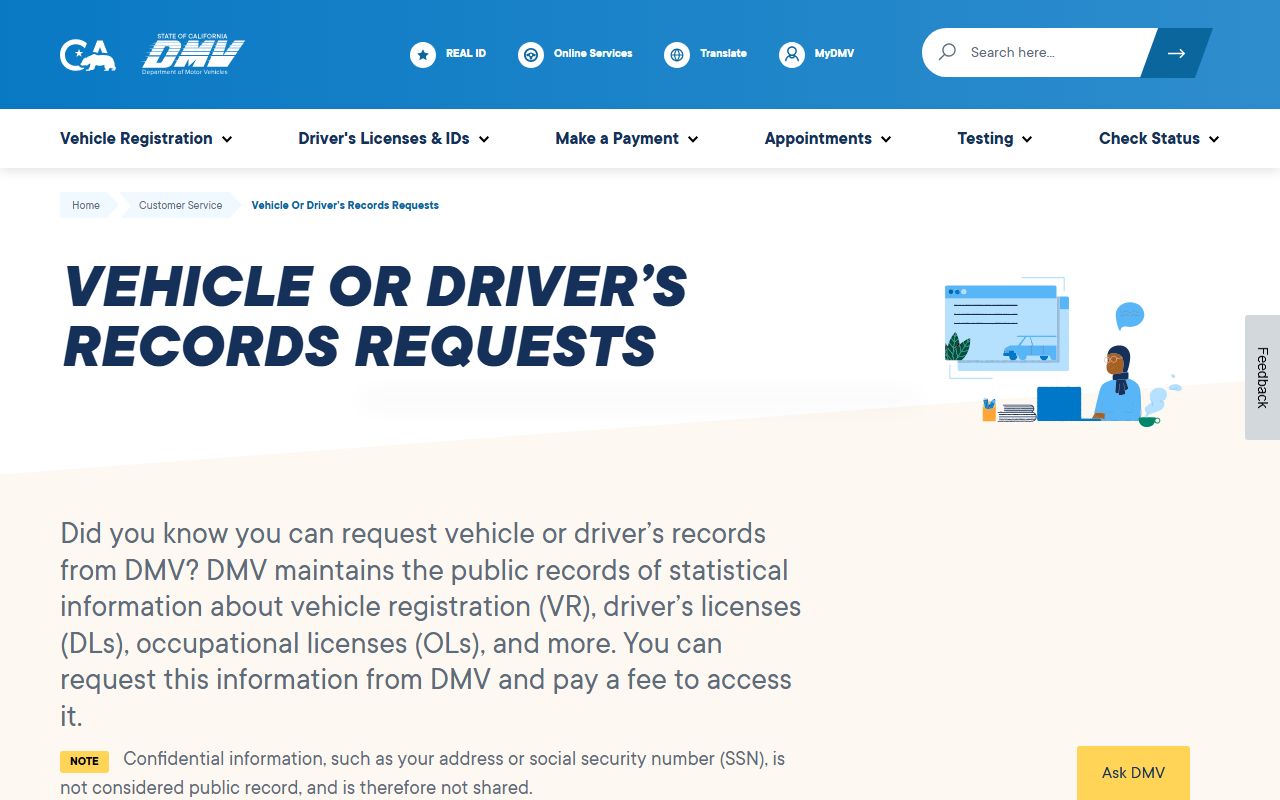
The California Department of Motor Vehicles offers a full records request portal where you can obtain vehicle records, driver records, and other DMV documents. Each type of record has specific fees and processing times. Review all available record types and fees at dmv.ca.gov records overview to request official California motor vehicle documents.
Different violations stay on your record for different lengths of time. Most tickets remain for three years. Some serious ones like DUI last ten years. Crashes are reported for three years from the date they happened. After the retention period ends, the DMV removes that item from your public record in California.
Points matter because too many points trigger license suspension. You get one point for most tickets. More serious offenses can add two points. If you rack up four points in twelve months, the DMV may suspend your license. Eight points in three years also causes problems. Keep track of your point total by checking your California driver record regularly.
Traffic Citations from CHP Officers
The California Highway Patrol writes tickets throughout the state. CHP officers patrol highways, freeways, and rural roads. When they issue a citation, it goes to the Superior Court in the county where the violation occurred. You handle a CHP ticket the same way as any other traffic ticket in California.
The California Highway Patrol provides information about handling traffic fines and citations issued by their officers. CHP tickets must be processed through the local Superior Court, not through CHP directly. Citations typically take about two weeks to appear in court systems. Learn more about CHP citation procedures at chp.ca.gov traffic fines for tickets issued by highway patrol officers.
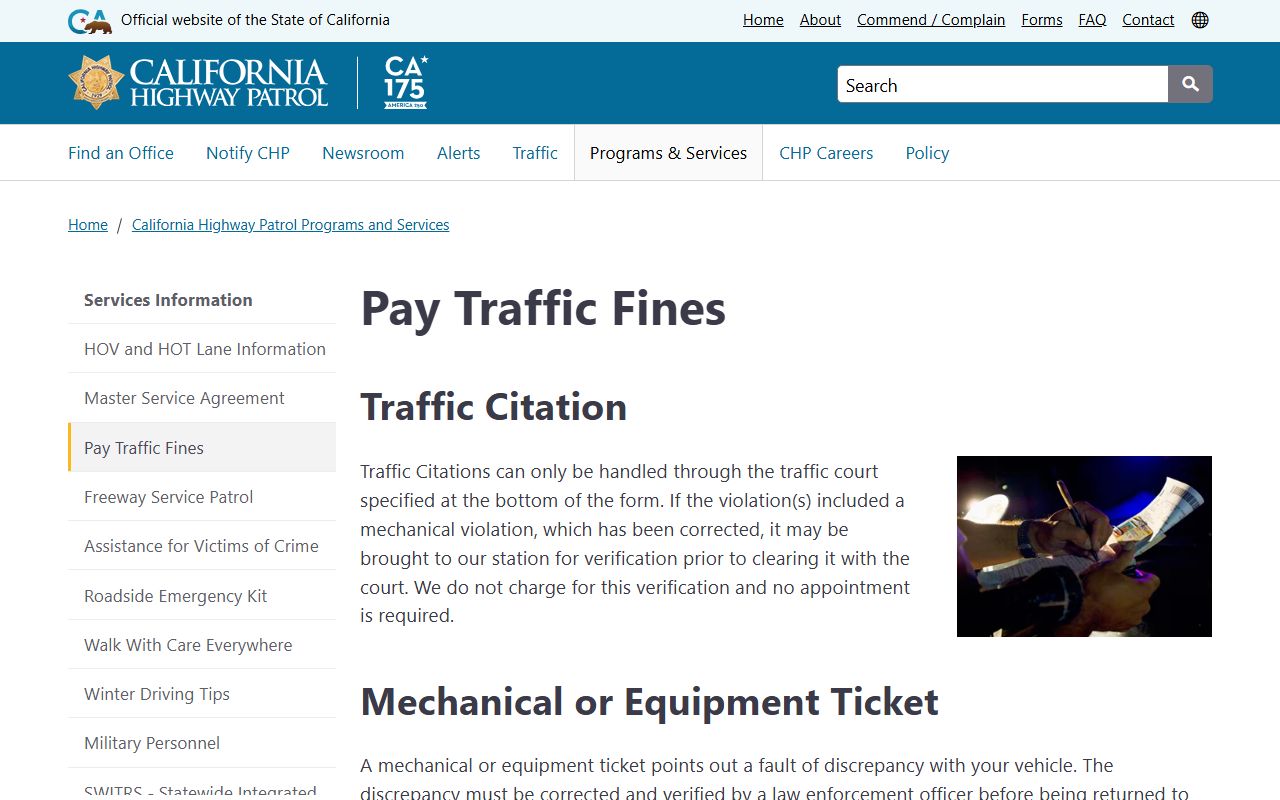
CHP does offer a service for fix-it tickets. If your violation was for broken equipment, get it fixed and bring proof to a CHP office. They verify the repair at no charge. Then you take that verification to court. The court usually reduces the fine to just a small proof of correction fee under California law.
Some people think CHP tickets are different or harder to beat. That is not true. The same rules apply. The officer still has to prove the case. You still have the right to a trial. CHP citations go through the exact same court process as tickets from city police or county sheriffs in California.
Traffic Ticket Laws in California
California traffic law comes from the Vehicle Code. This set of laws defines what counts as a violation. It also sets the procedures for how tickets get issued and processed. Courts must follow these rules when handling your case.
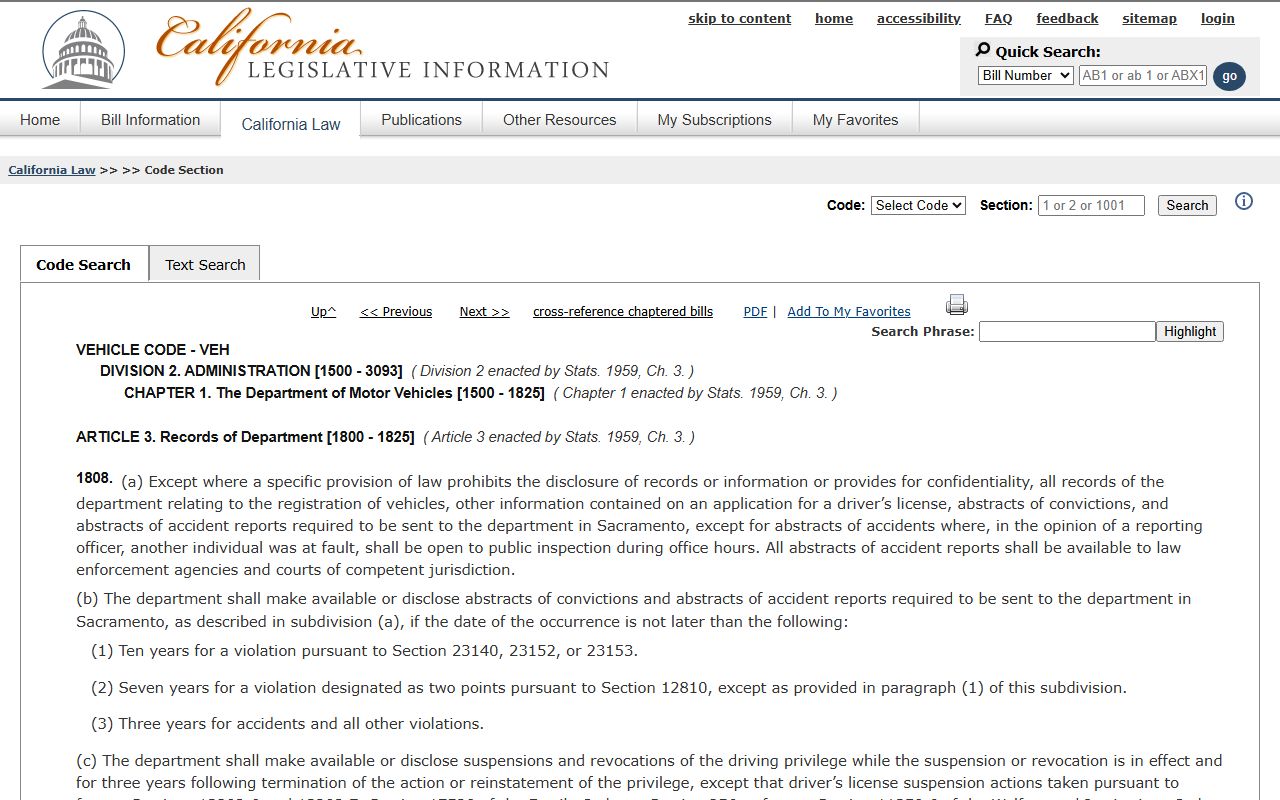
The California Legislature maintains all state statutes including the Vehicle Code online for public access. Vehicle Code Section 1808 governs what driver record information is public and how long different violations must be retained. Review the full text of this law at Vehicle Code Section 1808 to understand California public records requirements for traffic violations.
Proof of correction fees are set by state law at twenty-five dollars. This fee applies when you fix a mechanical violation and show proof to the court. The amount is the same in every California county because the Vehicle Code fixes it statewide.
Civil assessment penalties also come from state law. When you fail to appear or fail to pay by the deadline, courts can add a civil assessment. The amount is often one hundred dollars but can be higher for repeat failures. These assessments are in addition to your original fine under California statute.
Some violations carry mandatory court appearances. You cannot just pay those by mail or online. Reckless driving and DUI are examples. The judge must see you in person. Ignoring those tickets leads to a warrant for your arrest in California.
California Courts System Resources
The state Judicial Council oversees all California courts. Their website has resources for traffic cases. You can find court locations, filing fees, and contact info. They also publish guides on how to represent yourself in traffic court across California.
The main California Courts website serves as the central portal for information about the state court system. You can find links to all 58 county Superior Courts, access self-help resources, and learn about court procedures. Visit courts.ca.gov to access the official California courts portal and find your local court information.
Each county Superior Court is independent. They set their own local fees for things like traffic school. They choose which online system to use. Some have night court or weekend hours. Others only operate during regular business hours. Check your specific county court website for local details in California.
Court clerks can answer basic questions about procedures and fees. They cannot give legal advice. If you need help building a defense, talk to a traffic attorney. Many lawyers offer free consultations for California traffic cases.
Browse California Traffic Records by Location
Traffic Ticket Records by County
Each California county Superior Court handles traffic citations for that jurisdiction. Find your county below to access local court contact information, online portals, and citation processing details.
View All 58 California Counties
Traffic Ticket Records by City
Major California cities process traffic tickets through their county Superior Court. Select your city to learn about local resources and where to handle citations.